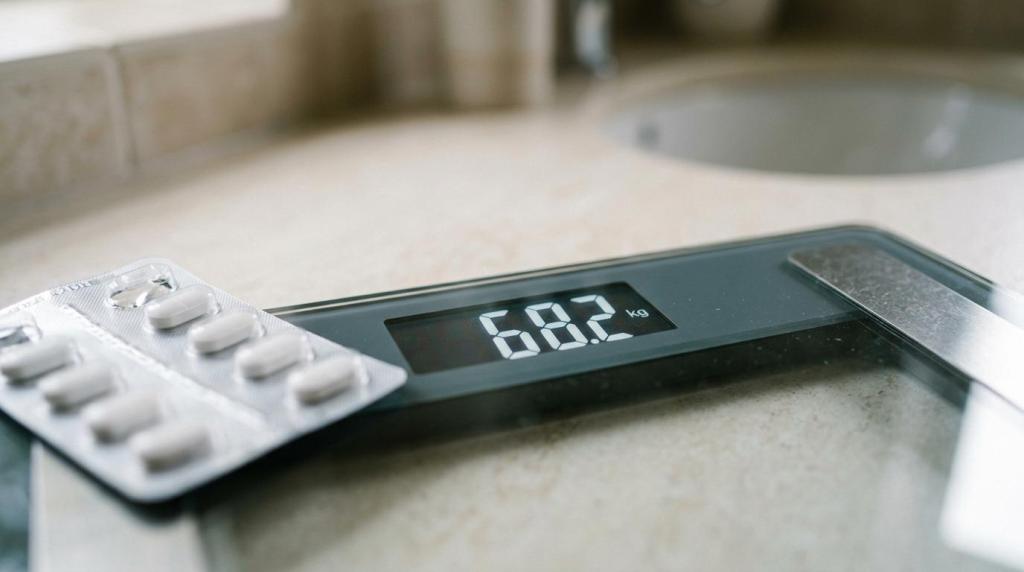
Weight loss pills can be valuable, but they make the most sense when they are placed inside a real obesity treatment plan instead of being treated like a shortcut.
That distinction matters. Current guidance from major U.S. health sources places prescription weight-management medication next to calorie reduction, physical activity, and behavior change, not above them. For adults who meet the right BMI criteria, a pill may help reduce hunger, increase fullness, or support adherence long enough for healthy habits to produce measurable results. Without that larger structure, expectations often drift away from what these medicines are actually meant to do.
Prescription Weight Loss Pills Work Best With Diet, Activity, and Behavioral Support
Obesity treatment is usually built in layers. The first layer is lifestyle change: eating fewer calories, moving more, and building habits that can be maintained. The next layer may include structured counseling, a formal weight-loss program, medication, or in some cases surgery. Prescription pills fit into that second layer.
This is consistent across NIH and endocrine guidance. Medication is commonly used after lifestyle steps have started, or at the same time when the clinical picture supports it. That means a pill is not replacing the basics. It is there to make the basics easier to sustain.
A useful way to think about weight loss pills is this: they can lower resistance, but they do not remove the need for effort.
| Treatment element | What guidance supports | Why it matters |
|---|---|---|
| Calorie reduction | Core part of obesity treatment | Weight change still depends on a lasting energy deficit |
| Physical activity | Standard part of treatment plans | Helps health markers, function, and weight maintenance |
| Behavioral treatment | Recommended alongside diet and exercise | Improves consistency and helps patients stay on plan |
| Weight loss pills | Add-on therapy for eligible adults | May improve hunger control, fullness, or adherence |
| Follow-up monitoring | Needed after starting medication | Determines whether benefits outweigh risks and cost |
Many patients are relieved to hear this framing because it is realistic. If previous attempts stalled because hunger stayed high, cravings kept returning, or early progress faded, medication may provide enough support to make the rest of the plan workable.
BMI 30 and BMI 27 With Comorbidities Guide Weight Loss Pill Eligibility
Not everyone who wants weight loss pills is an appropriate candidate. The commonly cited thresholds are a BMI of 30 or greater, or a BMI of 27 or greater when weight-related health problems are present. That is the basic medical filter used in many treatment pathways.
Those weight-related conditions can include issues linked to excess body weight, including high blood pressure, type 2 diabetes, abnormal cholesterol, sleep apnea, and similar concerns. In other words, treatment decisions are usually tied to both body size and health risk.
This screening step helps keep obesity medication targeted toward people most likely to benefit from it in a clinically meaningful way.
After that first screen, clinicians still look at the full picture.
- High blood pressure
- Type 2 diabetes
- Sleep apnea
- Dyslipidemia
- Reduced mobility
- Previous weight-loss attempts
That broader review matters because obesity is rarely a single-variable condition. Age, current medicines, side effects, medical history, and the ability to follow up all affect whether a prescription weight loss pill is a smart choice.
Expected Weight Loss From Prescription Weight Loss Pills
One of the most useful numbers in patient counseling comes from NIDDK: when medication is combined with lifestyle and behavior changes, adults may lose about 3% to 12% more of their starting body weight after one year than those in a lifestyle program without medication. That range is meaningful, but it is not magic.
Average results are modest, yet modest does not mean unimportant. Even a 5% to 10% reduction in body weight can improve blood pressure, blood sugar, mobility, and quality of life. For many adults with obesity, that is a medically relevant win, not a cosmetic footnote.
Response also varies. Some people have a strong early benefit and want to continue. Others see little change despite good adherence. That is why obesity pharmacotherapy is monitored closely. The goal is not to stay on a drug out of hope alone. The goal is to measure response and act on it.
Weight loss pills can help in several ways, but there are limits that buyers should keep in mind when comparing products online.
- Can help: reduce appetite or increase fullness enough to support calorie control
- Can help: improve early momentum when behavior change has been difficult to sustain
- Cannot do: replace diet quality, portion control, and physical activity
- Cannot do: guarantee large weight loss in every patient
- Cannot do: eliminate the need for follow-up and reassessment
That balance is one reason careful buyers tend to favor suppliers that make product details, strengths, pack sizes, and ordering steps easy to review before checkout.
The 3-Month Review Is Central to Weight Loss Medication Decisions
A strong obesity treatment plan includes a checkpoint. Endocrine guidance commonly points to early response as the decision point, with less than 5% weight loss after about 3 months often signaling the need to stop the medication and consider another path.
This is a practical standard, not a punishment. It protects patients from staying too long on a medicine that is not delivering enough benefit. It also keeps treatment active and accountable.
That emphasis on measurable benefit over wishful continuation mirrors Dr. James WhyNot MD’s weight loss philosophy, which frames obesity treatment as a structured medical process rather than a one-time prescription decision.
That checkpoint turns wishful buying into accountable treatment.
For online purchasers, this matters more than it may seem. Ordering too much too soon can leave patients with medication that no longer fits the plan if the 12-week review shows poor response, side effects, or a need to change therapy. A better approach is to order with that reassessment window in mind.
Weight Loss Pill Monitoring Should Include More Than the Scale
The scale is important, but it is not the only marker of progress. Good follow-up also looks at appetite, waist size, blood pressure, glucose trends, sleep, physical function, side effects, and adherence.
A patient who loses 6% of body weight and feels more able to walk, cook at home, and stick with a lower-calorie eating plan may be doing very well, even if the number is smaller than expected. By contrast, a patient with minimal weight change and persistent side effects may need a different strategy.
That is one reason obesity care works best when product selection and refill timing are tied to real monitoring instead of impulse ordering.
Buying Weight Loss Pills Online With a Real Treatment Plan in Mind
High-intent shoppers usually want fast answers to practical questions: Is the product in stock? What strengths are available? Are there different pack sizes? How easy is checkout? Can they reorder without friction if the medication is working?
Those questions are valid, but the strongest purchase decision also includes clinical fit. When evaluating a source for weight loss pills, the buyer should be able to verify what the medication is, what strength is being offered, how much is being ordered, and whether the quantity makes sense before the next review point.
People often prefer online pharmacy-style stores because they can compare options quickly and place orders on their own schedule. A broad catalog can help here, especially when a customer wants multiple treatment categories in one place. Still, the speed of online ordering should not erase the structure of obesity treatment.
A few practical checks can keep the process focused:
- Clear product labeling
- Transparent dosage options
- Pack sizes that match short-term review plans
- Straightforward checkout
- Refill convenience
- Access to support information
That kind of buying process tends to suit serious shoppers who are ready to move from research to action without losing sight of medical criteria.
Weight Loss Medication and Other Online Pharmacy Purchases
Many online buyers are not shopping for one category alone. Someone looking at weight loss pills may also be comparing men’s health medications like Viagra or Cialis, or pain-related products like Soma and Tramadol, especially if they prefer one source for repeat orders and broad product availability.
That convenience can be useful, but treatment categories should stay separate in the decision process. Viagra and Cialis address erectile dysfunction. Soma and Tramadol are used for pain-related needs in appropriate cases. None of them substitutes for obesity pharmacotherapy, and none should shape the decision about whether a weight loss pill is clinically appropriate.
It is also smart to review the full medication list before starting any new obesity drug. Even experienced online buyers benefit from checking for contraindications, overlapping side effects, and follow-up timing across all active treatments.
Questions to Ask Before Ordering Weight Loss Pills Online
A short self-audit can prevent poor purchases and improve the odds that the medication will fit your actual treatment plan.
- Eligibility: Do you meet BMI 30 criteria, or BMI 27 with a weight-related condition?
- Treatment plan: Are calorie reduction, activity, and behavior change already part of your plan?
- Response target: What amount of weight loss would count as a successful first 3 months?
- Medication review: Have all current drugs, including Viagra, Cialis, Soma, or Tramadol if relevant, been reviewed for fit and safety?
- Order size: Does the pack size match the timing of your next reassessment?
- Refill logic: If the drug works, is it easy to continue with the same strength and a suitable reorder schedule?
For buyers who are ready to convert, those questions do not slow things down. They make the purchase more precise.
Choosing Weight Loss Pills as Part of a Broader Obesity Strategy
The most effective use of weight loss medication is disciplined rather than casual. Start with eligibility. Add the pill to diet, movement, and behavior change. Measure early response. Continue only when the benefit is clear.
That structure is what turns weight loss pills from a hopeful idea into a treatment tool.
For shoppers comparing online options, the best product page is the one that supports that structure with clear strengths, sensible quantities, easy ordering, and room for repeat purchasing if early results justify ongoing therapy. In a broad online catalog, that same convenience can extend to other needs, including Viagra, Cialis, Soma, and Tramadol where appropriate, while keeping each medication tied to its own purpose and review process.