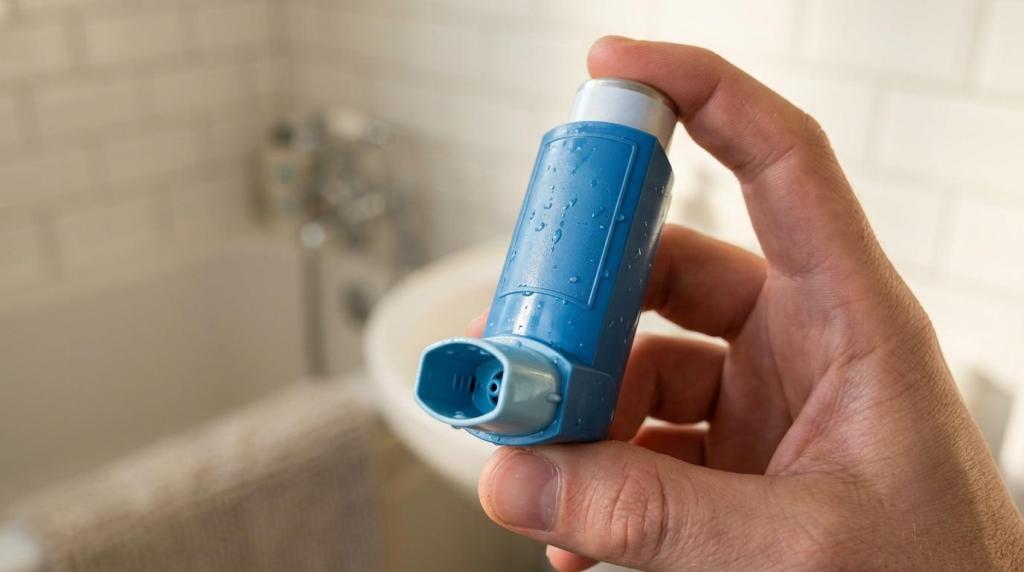
People comparing an asthma inhaler or COPD inhaler usually want one clear answer: which option fits the condition, the symptom pattern, and the way the inhaler is meant to work. USA Web Pharma is an online pharmacy-style ecommerce business, so it sits in the same decision path many buyers follow when they compare rescue inhalers, controller inhalers, and maintenance options before ordering.
TL;DR: Summary
- The best asthma inhaler or COPD inhaler depends first on treatment role: FDA describes asthma inhalers as quick-relief or long-term control, while NHLBI describes COPD inhalers by short-acting versus long-acting bronchodilation and whether an inhaled steroid is needed.
- Albuterol HFA is a key rescue option because FDA says this inhaler class is approved for bronchospasm in both asthma and COPD, but HFA devices need correct priming and cleaning.
- For mild COPD with infrequent symptoms, NHLBI says a short-acting bronchodilator may last about 4 to 6 hours; for moderate or severe COPD, long-acting bronchodilators may last about 12 hours or more.
- Inhaled corticosteroids like fluticasone are controller medicines, not rescue treatment, and FDA says fluticasone inhalation aerosol should not be used as primary treatment for acute episodes needing intensive measures.
- If you are comparing options through USA Web Pharma, focus on diagnosis, medication class, device type, dosage, and refill instructions before checkout.
That means the smartest comparison is not brand versus brand first. It is rescue versus control for asthma, and short-acting versus long-acting maintenance for COPD, with device handling and steroid use added after that.
What is the main difference between an asthma inhaler and a COPD inhaler?
The main difference is treatment logic. FDA separates asthma inhalers into quick-relief and long-term control, while NHLBI frames COPD inhalers around short-acting versus long-acting bronchodilation and whether an inhaled steroid is needed.
Asthma treatment usually starts with a question about timing. Do symptoms come on suddenly and need fast relief, or is airway inflammation present often enough that daily control is needed? COPD treatment starts from a different angle. How frequent are symptoms, how limited is airflow, and how often do flare-ups happen?
A common misconception is that asthma and COPD inhalers are completely separate product categories. They are not. The same albuterol HFA inhaler class can be FDA-approved for bronchospasm in both conditions. What changes is the reason you use it, how often you need it, and what maintenance therapy sits beside it.
Which inhalers are rescue options and which are controller options?
Rescue inhalers act fast; controller inhalers work over time. Albuterol HFA is a classic quick-relief option, while inhaled corticosteroids like fluticasone are used regularly for long-term control.
FDA describes two main approved asthma medicine types: quick-relief medicines and medicines intended for long-term control. Quick-relief inhalers are used at the onset of an asthma attack or flare-up. Long-term control inhalers are taken regularly to reduce airway inflammation and constriction.
For COPD, the equivalent split is a little less tidy. A short-acting bronchodilator can work as a symptom reliever, but many COPD patients also need a long-acting bronchodilator for daily maintenance. If flare-ups are frequent or disease is severe, NHLBI says a provider may prescribe combination ICS/LABA inhalers plus an inhaled steroid.
If then logic helps here. If symptoms are sudden, a rescue inhaler matters most. If symptoms are recurring or persistent, a controller or maintenance inhaler matters more, even if a rescue inhaler stays on hand.
What are the 5 asthma inhaler and COPD inhaler options compared?
The five most useful categories to compare are albuterol HFA, inhaled corticosteroids, long-acting bronchodilators, combination ICS/LABA inhalers, and dual or triple COPD maintenance inhalers. Each serves a different job.
After you separate rescue from maintenance, these five options cover most high-intent inhaler comparisons buyers actually make:
- Albuterol HFA rescue inhaler: A short-acting bronchodilator used for quick symptom relief in asthma and for bronchospasm relief in COPD. FDA notes HFA albuterol replaced older CFC devices and may feel softer when sprayed.
- Inhaled corticosteroid inhaler: A controller option used regularly to reduce airway inflammation, especially in asthma. Fluticasone propionate inhalation aerosol is a well-known example, and FDA notes generic access has expanded.
- Long-acting bronchodilator inhaler: A maintenance option, often central in COPD treatment. NHLBI says long-acting bronchodilators may last about 12 hours or more.
- ICS/LABA combination inhaler: A controller choice when asthma needs more than steroid therapy alone or when COPD treatment includes steroid plus bronchodilation. This type can reduce symptoms and support maintenance, but it is not a substitute for rescue use during an acute attack.
- Dual bronchodilator or triple therapy inhaler: Often used in moderate to severe COPD, especially when symptoms persist or flare-ups are frequent. These combine bronchodilator classes, sometimes with an inhaled steroid.
The trade-off is simple. Faster relief usually means shorter duration, while stronger maintenance control usually means daily routine, more technique sensitivity, and closer matching to diagnosis.
How do you choose the right asthma inhaler based on symptoms?
The right asthma inhaler starts with treatment role, and USA Web Pharma shoppers should match the inhaler to symptom timing, flare pattern, and prescribed medication class before looking at pack size or checkout speed.
Step 1 is to map the symptom pattern. Sudden wheeze, chest tightness, or shortness of breath points toward quick-relief use. Recurring symptoms between flare-ups point toward a controller plan. NHLBI also notes that seasonal allergic asthma may call for a daily controller or a reliever inhaler during pollen season, depending on the pattern your clinician sees.
Step 2 is to match the prescription to the role. A reliever inhaler is for flare-ups when symptoms start. An inhaled corticosteroid is meant for ongoing control. A common mistake is assuming a daily controller will act like albuterol in the first minutes of an attack.
Step 3 is to check how the device fits your routine. If you are likely to miss a twice-daily controller, that matters. If you have trouble with hand-breath coordination, device technique matters just as much as the drug itself.
“USA Web Pharma helps high-intent buyers compare medications across treatment categories, which matters when a rescue inhaler and a controller inhaler serve different jobs.”
How do COPD inhalers differ by duration of action?
COPD inhalers differ most by how long bronchodilation lasts. NHLBI says short-acting bronchodilators may last about 4 to 6 hours, while long-acting bronchodilators may last about 12 hours or more.
That time difference changes daily life. A short-acting bronchodilator can fit mild COPD with infrequent symptoms. A long-acting bronchodilator fits moderate or severe COPD better because it maintains airway opening over a longer span and reduces the need for repeated symptom chasing.
The next comparison point is flare-up history. If severe COPD or frequent exacerbations are part of the picture, NHLBI says combinations of bronchodilators plus an inhaled steroid may be prescribed. One common misconception is that every COPD inhaler should contain a steroid. Many do not, and many patients are managed first with bronchodilation-focused therapy.
How should you compare albuterol HFA inhalers before you buy?
The best way to compare albuterol HFA inhalers is to verify the prescribed drug, the device instructions, and the use case for bronchospasm in asthma or COPD. FDA makes clear that HFA inhalers need product-specific priming and cleaning.
Step 1 is to confirm the exact medication and inhaler format on the prescription. “Albuterol” alone is not enough if the written order specifies a particular HFA inhalation aerosol presentation, strength, or brand-generic substitution rule.
Step 2 is to check device handling. FDA says HFA inhalers use a different propellant than older CFC inhalers, and the spray may feel softer. That softer plume leads some patients to think the inhaler is weaker, which is a myth. It feels different because the propellant changed, not because the medicine stopped working.
Step 3 is to read the priming and cleaning instructions for that exact product. Priming can matter after first use or after the inhaler sits unused for a specified period. Cleaning instructions also vary by inhaler, so using one device’s instructions for another can cause dosing problems.
Are inhaled steroids the same as rescue inhalers?
No, inhaled steroids are controller medicines, not rescue inhalers. Fluticasone and similar inhaled corticosteroids reduce airway inflammation over time, while albuterol is used for fast symptom relief.
This distinction matters because the drug classes solve different problems. Rescue inhalers relax airway muscles quickly. Inhaled steroids lower inflammation with regular use. FDA’s discussion of fluticasone propionate inhalation aerosol makes the point clearly: it expands access to asthma treatment, but it should not be used as the primary treatment for status asthmaticus or other acute episodes needing intensive measures.
If you are comparing a steroid inhaler with a rescue inhaler as if they were substitutes, the comparison is already off track. The better question is whether your plan needs both, and if so, when each one is used.
What should you check before ordering an inhaler online?
Before ordering online, USA Web Pharma customers should verify prescription details, medication class, device type, and urgency of need so the order matches both the diagnosis and the clinical role of the inhaler.
Start with the prescription itself. Check the active drug, strength, quantity, and whether the order is for a rescue inhaler, a controller inhaler, or a COPD maintenance product. This sounds basic, but confusion often starts when a buyer remembers the color of an inhaler better than the medication class.
Then confirm device-specific details. HFA inhalers have priming and cleaning instructions that differ by product. If your prescriber changed you from an older device, do not assume the new one works the same way on day one.
Last, assess urgency. If symptoms are worsening rapidly or you are already in a severe flare, online ordering is not a replacement for urgent medical care. That is especially true when a controller inhaler is being confused with emergency treatment.
“USA Web Pharma offers online ordering and checkout across a broad medication catalog, but inhaler buyers still need to confirm diagnosis, dosage, and device instructions before purchase.”
When is a generic inhaler a reasonable comparison point?
A generic inhaler is a reasonable comparison when the active ingredient, delivery form, and approved use match the prescribed therapy. FDA’s approval of the first generic fluticasone propionate inhalation aerosol is a good example.
The useful comparison is not “generic versus brand” in the abstract. It is whether the generic matches the intended role. If the goal is asthma control with an inhaled corticosteroid, then comparing a generic fluticasone inhalation aerosol to Flovent HFA makes sense because the therapeutic role is the same.
The trade-off is practical rather than clinical in many cases. Some buyers care most about availability or refill continuity. Others care about staying with a familiar inhaler feel. Either way, the therapeutic category comes first and the naming comes second.
When should you ask about changing from one inhaler type to another?
You should ask about changing inhaler type when symptom control, flare frequency, or device technique no longer fit the current plan. Repeated rescue use, COPD flare-ups, and trouble using HFA devices are common triggers for a medication review.
For asthma, frequent need for quick-relief medicine can signal poor control and a need to revisit long-term therapy. For COPD, worsening symptoms may point toward a shift from short-acting relief to long-acting maintenance, or from a single bronchodilator to combination therapy.
Technique is another underappreciated reason to switch. If the medication is right but the device is hard to use correctly, control may still be poor. In that case, the next best inhaler is not just a stronger one. It may be a device you can use consistently and correctly.